
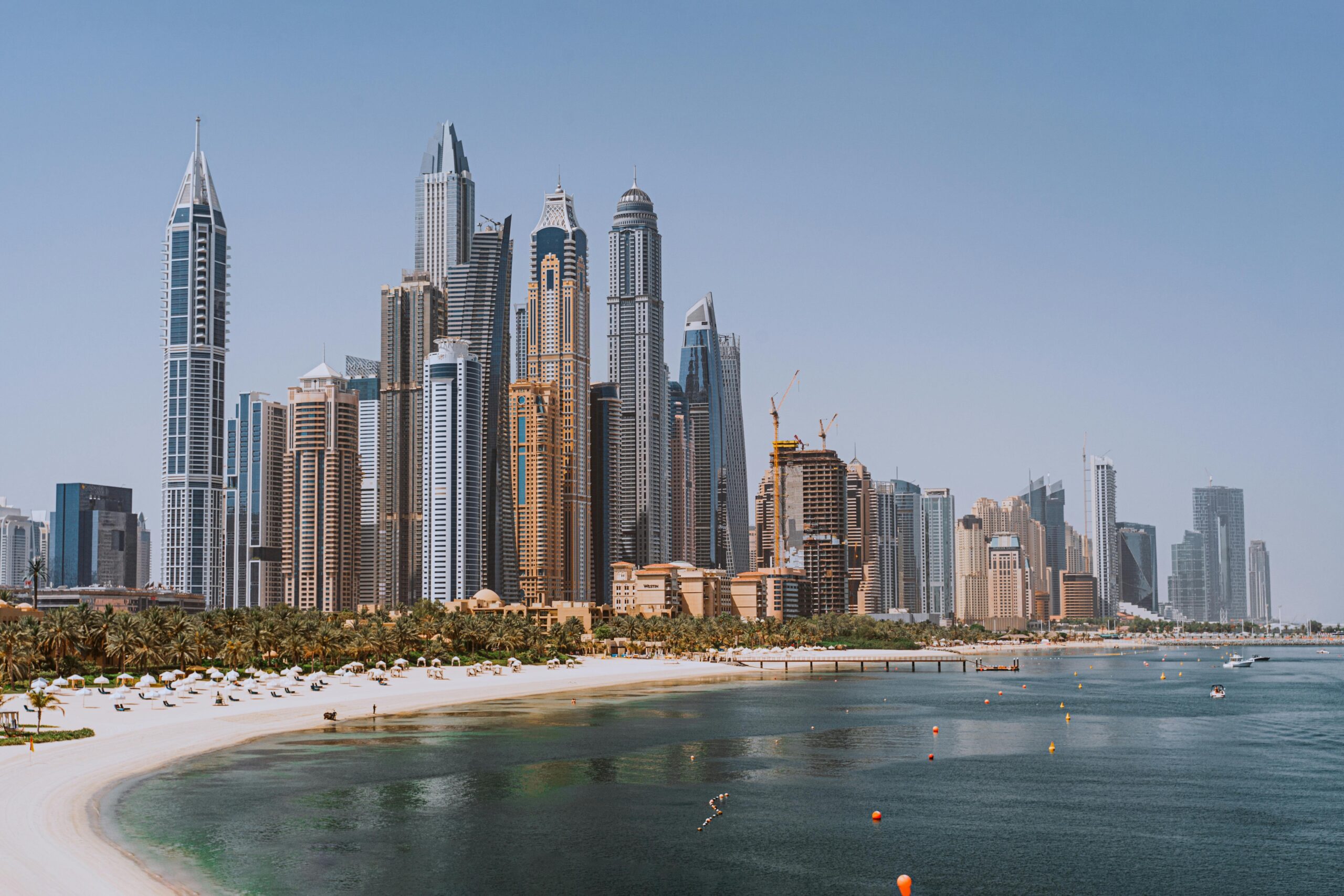

What if you could legally pay 0% personal income tax, run an international business, and live in one of the safest and most developed cities on the planet?
For many entrepreneurs, investors, consultants, and digital business owners, this is exactly why Dubai has become one of the most attractive destinations in the world.
Forget the stereotypes about luxury cars and social media influencers.
The reality is very different.
Dubai has become a global hub for ambitious professionals looking for something increasingly difficult to find elsewhere, tax efficiency, safety, world-class infrastructure, and long-term stability.
Imagine running your business from a modern international city, enjoying year-round sunshine, one of the best airports in the world, a highly developed banking system, and a lifestyle that combines security with global opportunities.
This is why thousands of entrepreneurs continue relocating to the UAE every year.
And for many of them, the most efficient way to do it is through a Dubai Free Zone Company.
In this guide, we explain what a Dubai Free Zone Company is, how the setup process works, how to obtain a UAE residence visa, and how these companies are taxed.
What Is a Dubai Free Zone Company?
A Dubai Free Zone Company is a company incorporated within one of the UAE’s special economic zones, commonly known as Free Zones.
These jurisdictions were created to attract international businesses by offering a business-friendly environment, simplified administration, and access to UAE residence visas.
One of their biggest advantages is that they allow 100% foreign ownership, meaning entrepreneurs can fully own their business without requiring a local partner.
Today, there are more than 40 Free Zones across the UAE, each designed for different types of businesses, ranging from consultants and digital entrepreneurs to trading companies, logistics operators, and financial institutions.
For many international entrepreneurs, a Dubai Free Zone Company is often the most efficient way to establish a presence in the UAE while benefiting from one of the most attractive tax environments in the world.
Why Entrepreneurs Choose Dubai
Taxes are only one part of the story.
The real reason why so many entrepreneurs move to Dubai is the combination of factors that are becoming increasingly difficult to find elsewhere.
Dubai offers exceptional infrastructure, one of the safest environments in the world, a highly international business community, excellent healthcare, modern schools, and direct connections to almost every major city globally.
For many business owners, reducing taxes may be the initial motivation.
However, after relocating, they often discover that the biggest benefit is the overall quality of life.
Very few jurisdictions combine 0% personal income tax, safety, political stability, and global connectivity as effectively as the UAE.
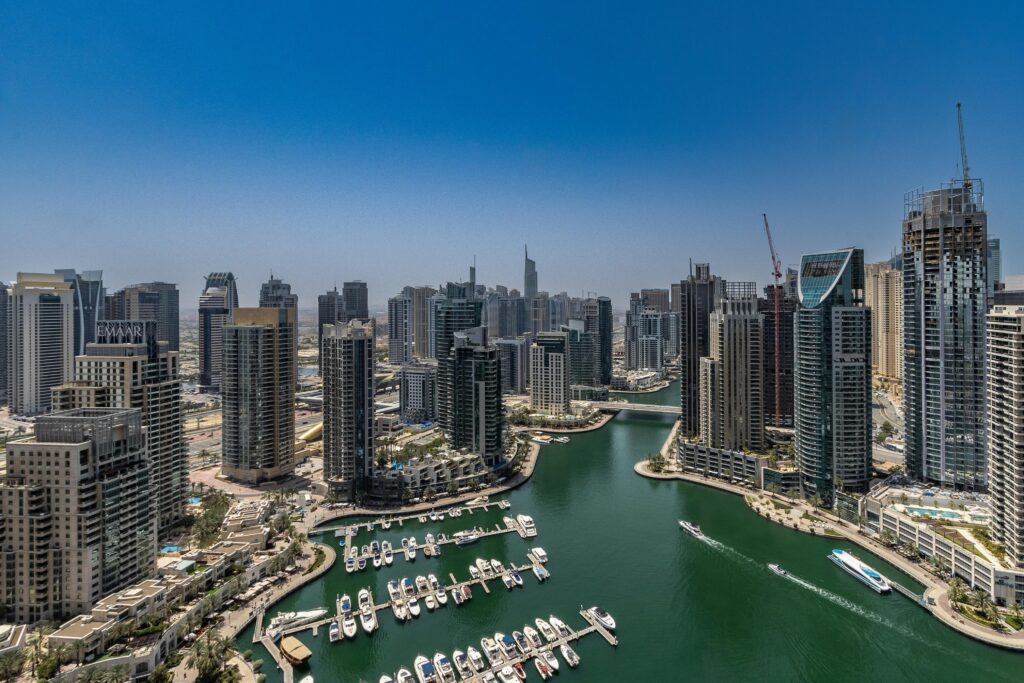
How to Set Up a Dubai Free Zone Company and Get a UAE Residence Visa
Once you understand what a Dubai Free Zone Company is, the next step is understanding the incorporation and residency process.
One of the reasons why the UAE has become so popular among entrepreneurs is that the setup process is surprisingly efficient compared to many other jurisdictions. In most cases, it is possible to incorporate a company, obtain a residence visa, receive your Emirates ID, and start operating your business within a matter of weeks.
Although there are more than 40 Free Zones across the UAE, the overall process follows a similar structure. From selecting the right jurisdiction to opening a corporate bank account, each step plays an important role in building a successful international setup.
Below is a step-by-step overview of how the process works.
Exploring a Dubai Free Zone Company? Let's confirm it's the right move.
Every situation is different. In your free consultation, we’ll assess whether a Dubai Free Zone Company is your best option, or point you toward an alternative that suits you better.
Step 1: Choosing the Right Free Zone
The first step is selecting the right Free Zone.
This decision is more important than many entrepreneurs realize.
Not all Free Zones offer the same reputation, licensing options, costs, or administrative efficiency. Some are particularly suitable for service-based businesses, while others are designed for trading companies, financial institutions, or logistics operators.
Some of the most popular Free Zones include:
IFZA
IFZA has become one of the preferred choices for consultants, agencies, and international entrepreneurs due to its competitive setup costs and flexible licensing options.
DMCC
DMCC is widely regarded as one of the most prestigious Free Zones in the UAE and is especially popular among trading companies, investment structures, and crypto-related businesses.
DIFC
The Dubai International Financial Centre is one of the leading financial hubs globally and is frequently used by family offices, investment firms, fintech companies, and wealth management businesses.
Meydan Free Zone
Meydan has gained popularity among digital entrepreneurs thanks to its streamlined incorporation process and modern approach to company formation.
JAFZA
Jebel Ali Free Zone remains one of the strongest options for international trade, logistics, and import-export businesses due to its strategic location near one of the world’s largest ports.
At TaxMove, we work closely with some of the UAE’s most reputable Free Zones, allowing us to help clients select the most suitable option for their business model and long-term goals.
Step 2: Selecting the Business Activities and Company Name
Once the Free Zone has been chosen, the next step is selecting the business activities and company name.
This stage is often underestimated.
Your company can only carry out the activities listed on its license. Operating outside those activities may lead to compliance issues and unnecessary complications in the future.
For this reason, it is important to think not only about your current operations but also about where your business may be heading over the coming years.
A properly structured license can provide flexibility as your business grows.
Step 3: Incorporating the Company
After selecting the business activities, the incorporation process can begin.
The required documentation is usually straightforward and includes:
● Passport copy
● Passport-sized photograph
● Proof of address
During this stage, the company name is reserved, the business activities are approved, and any additional authorizations required for regulated activities are obtained.
Once approved, the trade license is typically issued within approximately one week.
At the same time, the company receives its Establishment Card, which allows it to sponsor residence visas under the UAE immigration system.
Step 4: Applying for the UAE Residence Visa
Once the Establishment Card has been issued, the residence visa process can begin.
If you are outside the UAE, the first step is obtaining an Entry Permit that allows you to enter the country for residency purposes.
If you are already in the UAE as a tourist, a status change application can generally be submitted without requiring you to leave the country.
This flexibility is one of the reasons why the UAE remains highly attractive for international entrepreneurs.
Step 5: Medical Test, Emirates ID and Visa Issuance
After entering the UAE under the visa process, applicants must complete a medical examination at an authorized medical center.
Once the medical test has been completed successfully, the residence visa application is finalized and the Emirates ID application is submitted.
The process is usually completed within approximately one week.
The Emirates ID becomes one of the most important documents you will hold in the UAE, as it is required for banking, government services, telecommunications, and many day-to-day activities.
Step 6: Opening a Bank Account and Registering for Corporate Tax
Many entrepreneurs believe that company formation is the most challenging part of the process.
In reality, banking is often the area that requires the most planning.
Once the Emirates ID has been issued, the company can proceed with opening a corporate bank account.
Depending on the bank and the compliance review, this process typically takes up to two weeks.
The company should also be registered for UAE Corporate Tax purposes.
After the bank account is active and the registration is complete, the company can begin invoicing clients and operating normally.
For businesses receiving payments from Europe, the United States, or other international markets, the right banking structure can significantly reduce transaction fees and improve operational efficiency.

How Dubai Free Zone Companies Are Taxed
One of the biggest misconceptions about a Dubai Free Zone Company is that every company automatically pays 0% tax.
The reality is more nuanced.
Under the UAE Corporate Tax framework, businesses are generally subject to a 9% corporate tax rate on taxable profits exceeding AED 375,000.
However, several relief mechanisms and exemptions may apply depending on the company’s size, activities, and overall structure.
For example, eligible businesses may benefit from the Small Business Relief regime, which currently allows qualifying UAE resident businesses with annual revenue below AED 3 million to effectively remain outside the scope of Corporate Tax. Under the current framework, this relief is expected to remain available until the end of 2026.
In addition, certain Free Zone companies may continue benefiting from a 0% corporate tax rate on qualifying income, provided they satisfy the relevant substance requirements and carry out qualifying activities.
One of the most common examples is the use of holding companies, which are generally treated as qualifying activities under the UAE Corporate Tax framework. This is one of the reasons why the UAE has become increasingly attractive not only for consultants and service providers, but also for international holding structures and investment groups.
That being said, proper planning remains essential. Not every Free Zone company automatically qualifies for the 0% regime, and the way the business is structured can significantly impact its tax treatment.
How Long Does the Entire Process Take?
One of the biggest advantages of the UAE is efficiency.
In many cases, the trade license can be issued within approximately one week, while the visa and Emirates ID process can take an additional week once the immigration procedures begin.
As a result, it is often possible to have a fully operational company and residence permit within a matter of weeks.
Compared to many other jurisdictions, this remains one of the fastest company formation processes available internationally.
Final Thoughts on Dubai Free Zone Companies
A Dubai Free Zone Company is much more than a business license.
For many entrepreneurs, it is the gateway to building an international business while living in one of the safest, most connected, and most business-friendly jurisdictions in the world.
The key is selecting the right Free Zone, structuring the company correctly, and ensuring that the business, banking, residency, and tax planning elements work together.
When implemented properly, a Dubai Free Zone Company can become the foundation of a highly efficient international structure.
How TaxMove Can Help
Setting up a Dubai Free Zone Company involves much more than submitting an application.
Choosing the right Free Zone, selecting the appropriate activities, obtaining residency, opening bank accounts, and planning for Corporate Tax all require careful consideration.
At TaxMove, we guide entrepreneurs through the entire process, from company formation to UAE residency and international tax planning.
Book your free initial consultation and let our team help you build the right structure from day one.
Frequently Asked Questions About Dubai Free Zone Companies
What is a Dubai Free Zone Company?
A Dubai Free Zone Company is a business incorporated within one of the UAE’s Free Zones, allowing foreign entrepreneurs to own 100% of their company while benefiting from a business-friendly regulatory environment and access to UAE residency.
Can a Dubai Free Zone Company provide a UAE residence visa?
Yes. Once the company has been incorporated and the required immigration procedures have been completed, business owners can apply for a UAE residence visa through their company.
Do Dubai Free Zone Companies pay corporate tax?
Depending on the company’s activities and structure, a Free Zone company may qualify for a 0% tax rate on certain income. In other situations, the standard UAE Corporate Tax rules may apply.
What is the Small Business Relief regime in the UAE?
The Small Business Relief regime allows eligible UAE businesses with annual revenue below AED 3 million to benefit from simplified Corporate Tax treatment. Under the current rules, the regime is expected to remain available until the end of 2026.
Which Free Zone is best in Dubai?
There is no single best Free Zone. The right option depends on the nature of the business. IFZA, DMCC, DIFC, Meydan, and JAFZA are among the most popular choices for international entrepreneurs.
How long does it take to set up a Dubai Free Zone Company?
In many cases, the company formation process can be completed within a few weeks, including the trade license, residence visa, Emirates ID, and corporate bank account setup.
Can a Dubai Free Zone Company be used as a holding company?
Yes. Many international entrepreneurs use UAE Free Zone companies as holding structures to own shares in other businesses, manage investments, and centralize international operations.