
Most people have one passport. One government. One set of rules. For a long time, that was perfectly fine.
Then a global pandemic hit. Borders slammed shut. Entire populations found themselves locked inside their own countries, unable to travel, unable to run their businesses, unable to leave. The people paying attention, the ones who had actually built something worth protecting, started asking a question that nobody in the mainstream wanted to talk about: what if this happens again?
That’s when the conversation around second passports exploded. Some of it is genuinely valuable. A lot of it is noise being sold by people with a newsletter and a course to push.
In this guide, I’m going to cut through both. You’ll find out exactly when a second passport makes real financial and practical sense, when it is a complete waste of money, and which three countries I would actually recommend right now.
Why Everyone Is Suddenly Talking About Second Passports
It is not complicated. Having a single passport means being fully dependent on a single government. If that government decides to restrict your movement, change its tax rules overnight, or make it harder to do business internationally, you have no backup plan.
The pandemic made that reality impossible to ignore. But something else was already happening: a growing number of high-earning professionals, entrepreneurs, and investors had started realizing that where you were born had a massive impact on how freely you could live, travel, and structure your finances.
A second passport is not about being disloyal to your country. It is about having options. A plan B. A door that stays open regardless of what happens politically or economically at home.
When a Second Passport Actually Makes Sense
A second passport is not for everyone. But for the right person, it can be one of the most strategically important decisions they ever make.
1. You Want a Real Plan B for You and Your Family
This is not paranoia. It is preparation. If your home country restricts movement due to a pandemic, political instability, or economic collapse, a second passport means you and your family have a guaranteed exit. A door that no single government can close on you.
2. You Travel Constantly for Business
Not all passports are created equal. Some open doors that others simply do not. A Turkish passport provides visa-free access to markets that are genuinely difficult to reach with other documents. If you are doing business across emerging markets or regions with complex visa requirements, passport strength is a real competitive advantage.
3. You Are American
The United States is one of only two countries in the world, alongside Eritrea, that taxes its citizens based on citizenship rather than where they actually live. That means even if you have moved to Dubai and pay zero tax there, the IRS still expects its share.
The only legal way out of that system is to renounce your US citizenship, and to do that, you need another passport first. For Americans living abroad, this is often less of a lifestyle choice and more of a straightforward financial calculation.
4. You Are European and Watching the Tax Debate Closely
There are serious discussions at the EU level about moving towards citizenship-based taxation, a model similar to the US system. Nothing is finalized yet. But if that shift happens, having a second passport could save European entrepreneurs a very significant amount of money.
When a Second Passport Is a Waste of Money
Here is something most people selling passport services will not tell you: for a large portion of the people asking about second passports, it genuinely is not worth it.
If you have a regular job, you live somewhere you are happy, you are not running an international business, and none of the situations above apply to you, then spending thousands of dollars on a passport from a country you would struggle to find on a map is not going to change your life. Or your tax bill.
A second passport is a tool. Like any tool, its value depends entirely on whether you actually need it.
Quick Self-Check: Do You Actually Need a Second Passport?
• Do you earn income internationally or run a location-independent business?
• Are you American and living, or planning to live, outside the US?
• Do you want a guaranteed exit option for you and your family?
• Are you a frequent business traveller facing visa friction?
• Are you concerned about political or economic instability in your home country?
If you answered yes to two or more of these, a second passport deserves serious consideration.
How to Get a Second Passport
Citizenship by Investment (CBI)
You invest a defined amount of capital, sometimes in real estate and sometimes in a government fund, and the country grants you citizenship in return. It is fast and straightforward. In some cases, the asset can be sold after a holding period, meaning you may recover a significant portion of the investment.
The trade-off is that CBI passports are generally less powerful in terms of visa-free access. There are notable exceptions, which I will cover below.
The most established Citizenship by Investment programs are located in the Caribbean, where jurisdictions such as Saint Kitts and Nevis, Antigua and Barbuda, Dominica, Grenada, and Saint Lucia have attracted international investors for many years. Outside the Caribbean, alternatives such as Vanuatu and São Tomé and Príncipe have also gained attention due to their relatively fast processing times and lower investment thresholds.
Naturalization
You establish residency in a country, meet the requirements, live there for a set number of years, and eventually qualify for citizenship. This route takes longer, typically three to five years, but it generally produces a stronger passport and a more solid legal status.
For people who are not in a rush and want to build a genuine second life somewhere, naturalization is usually the better long-term play.
Interested in a Second Passport? Let's confirm it's the right move.
Every situation is different. In your free consultation, we’ll assess whether a second passport is your best option, or point you toward an alternative that suits you better.
The Best Second Passport Options Right Now
These are not the only options available. But based on the combination of cost, timeline, passport strength, and overall practicality, these are the three I would genuinely recommend today.
|
Turkey |
Paraguay |
Panama |
|
|
Route |
CBI |
Naturalization |
Naturalization |
|
Investment |
$400,000 |
$200,000 |
$300,000 |
|
Asset |
Real estate |
Real estate |
Real estate |
|
Residency |
Immediate |
Immediate |
Immediate |
|
Citizenship |
~6 months |
3 years |
5 years |
|
Sell property? |
After 3 years |
After 3 years |
After 5 years |
|
Tax system |
20-year foreign income exemption |
Territorial |
Territorial |
Turkey — The Fast Track With a Return on Investment
Investment required: $400,000 in real estate
Timeline to passport: Approximately 6 months
Turkey is the most straightforward CBI option that delivers a genuinely useful passport. Invest $400,000 in Turkish real estate and within roughly six months and you will have a passport that grants visa-free access to the Schengen Area.
After three years, you can sell the property. Depending on where and what you buy, you may sell at a profit, meaning the net cost of the passport could end up being significantly lower than the headline figure, or even zero.
For people who need a second passport quickly and want to preserve capital, Turkey is hard to beat.
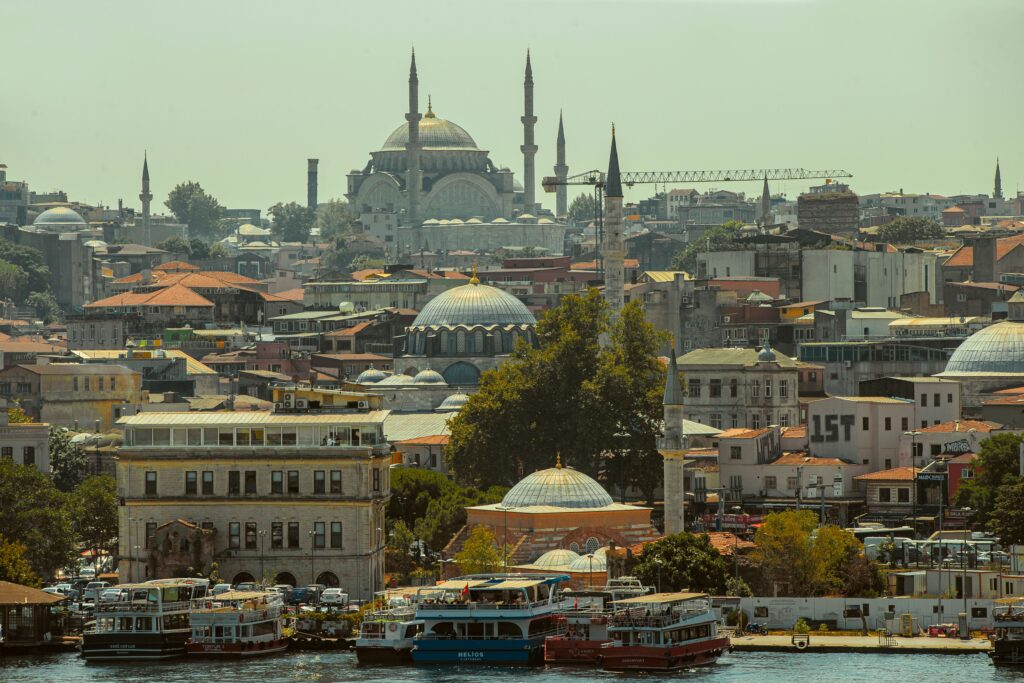
Paraguay — The Most Affordable Option With a New Investment Route
Investment required: $200,000 (Investor Pass)
Timeline to citizenship: 3 years from residency
Paraguay has long been a quiet favourite among international entrepreneurs and tax planners, largely because of its territorial tax system. You simply do not pay tax on income earned outside the country.
The recently launched Paraguay Investor Pass has made this option much more accessible. Invest $200,000 in real estate, receive permanent residency immediately, and qualify for citizenship after three years. The entry cost is the lowest of the three options here, and the tax environment is genuinely attractive for internationally mobile professionals.
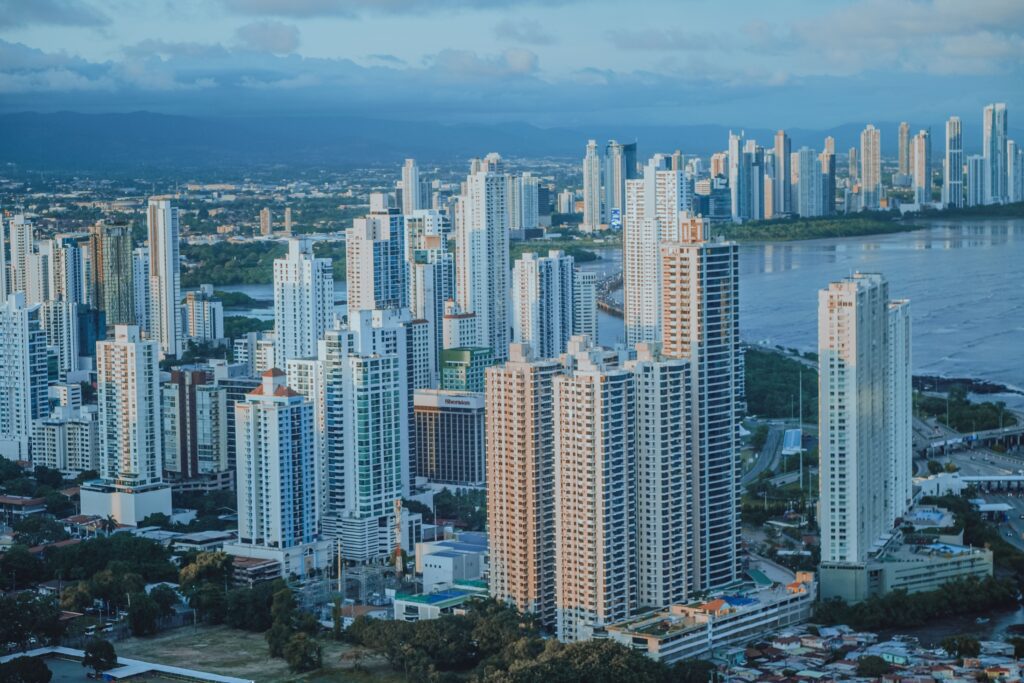
Panama — The Gateway to the Americas
Investment required: $300,000 in real estate
Timeline to citizenship: 5 years from residency
Panama runs on a territorial tax system. Income earned outside Panama is simply not taxed. For international entrepreneurs and investors, that is a significant structural advantage.
The residency-to-citizenship timeline is five years, longer than Turkey or Paraguay. But Panama offers a genuinely high quality of life, excellent banking infrastructure, and strong connectivity to both North and South America. For the right person, it is one of the most well-rounded options available.
Final Thoughts
A second passport is not a magic solution. It does not automatically reduce your taxes, guarantee your freedom, or transform your business overnight. What it does is give you options. In an increasingly unpredictable world, options have real value.
The right choice depends on where you are in life, what your tax situation looks like, how quickly you need it, and how much capital you are willing to deploy. Turkey is the fastest. Paraguay is the most affordable. Panama offers the most complete long-term package.
If you want help working out which one actually makes sense for your specific situation, that is exactly what we do at TaxMove. Book a free initial consultation and we will map out the right strategy from day one.
Frequently Asked Questions About Second Passports
What is a second passport?
A second passport is a passport issued by a country other than your country of birth or primary nationality. It gives you the legal right to travel, live, and conduct business under a second citizenship, providing an alternative to being tied to a single government.
Is it legal to have two passports?
Yes, holding two passports is legal in most countries. Many nations formally permit dual or multiple citizenship. A small number of countries do not allow it, so it is worth confirming the rules of both your home country and your target country before you apply.
How much does a second passport cost?
A second passport through Citizenship by Investment typically costs between $100,000 and $400,000, depending on the country and program. Naturalization routes cost less up front but require a residency commitment of three to five years before citizenship is granted.
Which country offers the fastest second passport?
Turkey currently offers one of the fastest second passports through its Citizenship by Investment program. Qualifying applicants who invest $400,000 in real estate can receive a Turkish passport in approximately six months.
Can a second passport help Americans reduce their taxes?
Yes, but only through renouncing US citizenship. The US taxes citizens on worldwide income regardless of where they live. Renouncing requires holding a valid second passport first. For Americans abroad, obtaining a second passport is the essential first step toward legally exiting the US tax system.
What is citizenship by investment?
Citizenship by investment is a legal program where a country grants citizenship in exchange for a qualifying financial contribution. The investment is typically made in real estate or a government fund.
What is the difference between residency and citizenship?
Residency gives you the right to live in a country. Citizenship goes further: it grants you full nationality, the right to hold that country’s passport, pass citizenship to your children, and access all rights held by citizens of that country, including consular protection abroad.